Short answer
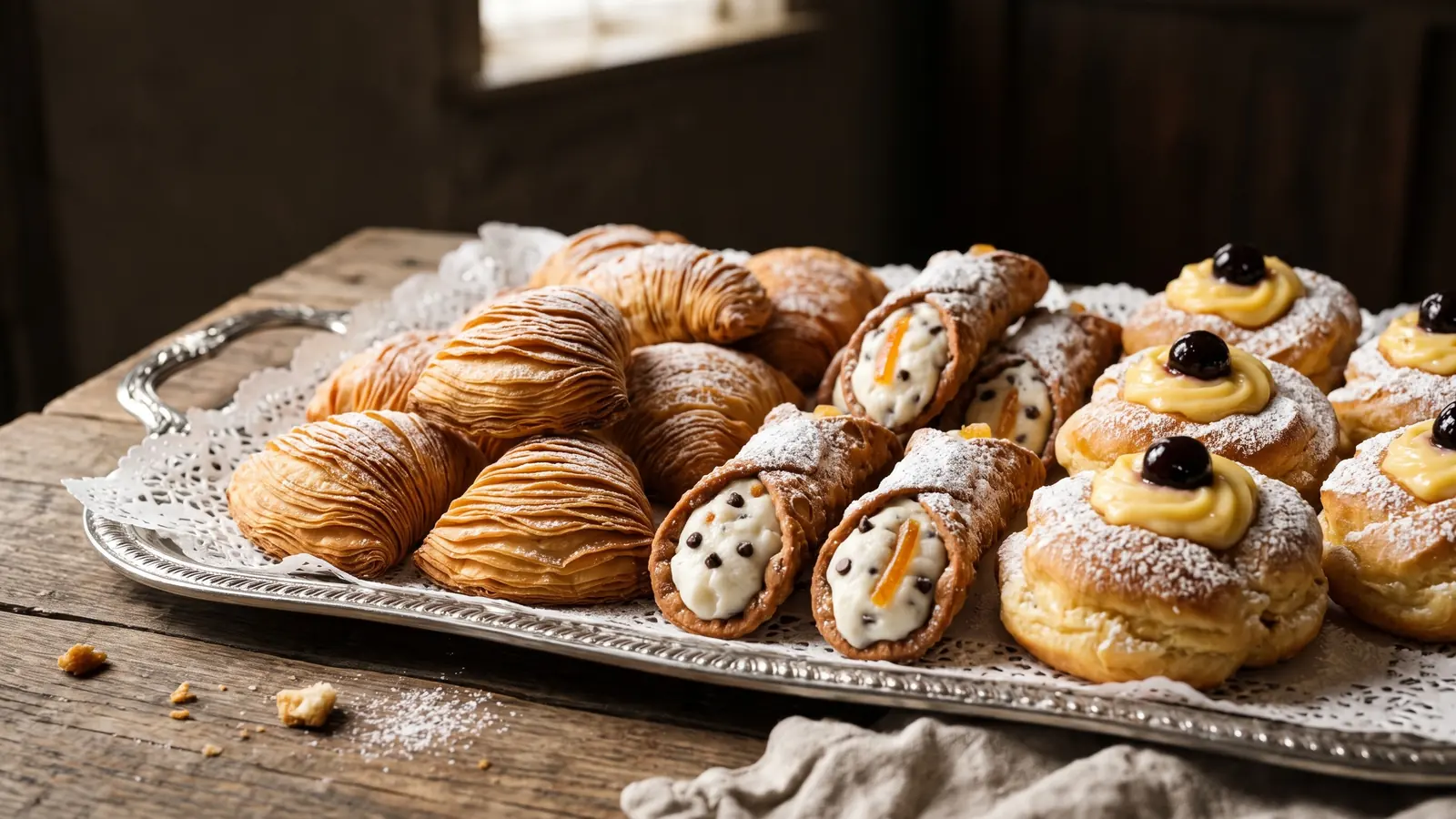
Cannoli shells are thin rounds of sweet dough wrapped around a tube and deep-fried until crisp and blistered. They stay crisp for days if kept dry and unfilled. Filling them just before serving is the key to a crunchy cannoli.
Cannoli shells are thin rounds of sweet dough wrapped around a metal tube and fried until crisp, golden and covered in small blisters. They are the outer part of a cannoli, the Sicilian pastry. Kept dry and unfilled, cannoli shells stay crisp for days, which is why they are often sold separately.
What are cannoli shells?
Cannoli shells are the fried, hollow pastry tubes that hold a cannoli filling. They are made from a dough of flour, sugar, fat, egg and a little acid, rolled very thin and fried in oil.
The shell is plain on its own, with a light sweetness and a crisp, almost glassy crunch. It is not meant to be eaten without a filling, though the crisp pieces of a broken shell are often nibbled. The surface is covered in small bubbles, which form when the thin dough puffs in hot oil.
Shells come in several sizes, from small bite-size tubes to large pastries made to be eaten alone. Bakeries often make cannoli shells in large batches and fill them to order.
How are cannoli shells made?
Cannoli shells are made by mixing a stiff dough, resting it, rolling it paper-thin, cutting circles or ovals, wrapping each around a tube and frying until golden.
- Mix flour, sugar, fat, egg, a splash of vinegar or other acid and enough liquid to make a stiff dough.
- Rest the dough, covered, so the gluten relaxes and rolling is easier.
- Roll very thin, then cut circles or ovals.
- Wrap each piece around a cannoli tube and seal the edge with egg white.
- Fry in hot oil until deep golden, turning once if needed.
- Lift out, drain and slide the shell off the tube while still warm.
The tubes must be hot to the touch before the next shell is wrapped, or the dough sticks. Many bakers use a pasta machine to roll the dough to an even thinness.
Why do cannoli shells have bubbles?
Cannoli shells have bubbles because the thin dough contains moisture that turns to steam in hot oil, which lifts pockets away from the surface. The acid in the dough helps these blisters form.
The bubbles are a sign of a well-made shell. They also make the shell lighter and more fragile. Dough that is thick or underworked tends to fry smooth and heavy. A shell with many fine blisters is thin, crisp and tender.
| Look of the shell | What it suggests |
|---|---|
| Many small blisters, golden colour | Thin dough, hot oil, good frying |
| Smooth and pale | Dough rolled thick or oil too cool |
| Dark brown, bitter edges | Oil too hot or fried too long |
| Greasy surface | Oil not hot enough, poorly drained |
Should you buy or make cannoli shells?
Buying cannoli shells is simpler, and making them gives you control over thickness and flavour. For most people, a good bakery shell is the practical choice.
Making shells at home needs tubes, a thermometer, a pot of oil and patience. The dough must be very thin, and the first batch rarely looks perfect. Buying ready-made shells from an Italian bakery means you only need to prepare a filling and assemble.
Buyers can check a few things:
- Shells should be dry, crisp and snap cleanly when pressed.
- Blisters on the surface are a good sign.
- Shells should not smell stale or oily.
- A fresh shell breaks cleanly, while an old one bends before it breaks.
How do you keep cannoli shells crisp?
Keep cannoli shells crisp by storing them unfilled in an airtight container at room temperature, and filling them just before serving.
The moisture in the filling is what softens the shell, so time is the main factor. Within a few minutes of filling, a shell is at its best. After a few hours, it starts to soften. A coating of melted chocolate on the inside of the shell acts as a barrier and gives extra time.
Storage tips:
- Cool shells completely before storing them.
- Use a tin or rigid container, not a bag.
- Add a dry paper towel to absorb stray moisture.
- Keep them away from humid kitchens and fridges.
Can you freeze cannoli shells?
Yes, cannoli shells can be frozen unfilled in a sealed container for several weeks. They should be thawed at room temperature in the sealed container, so condensation does not settle on them.
Freezing is useful for a large batch, but shells are fragile, so they are best layered with paper. Re-crisping in a warm oven for a few minutes can bring back a bit of crunch if a shell softens. Filled cannoli do not freeze well, because the filling releases water as it thaws.
What can you fill cannoli shells with?
Cannoli shells can be filled with sweet ricotta, mascarpone cream, whipped cream, custard or chocolate cream. The classic choice is ricotta mixed with sugar.
Because the shell is neutral and crisp, it pairs with many fillings. Chopped pistachios, chocolate chips and candied peel are common additions. Some bakers dip the ends in melted chocolate and then in nuts, which adds colour and a second texture. A thick filling is easier to pipe and holds its shape inside the shell.
What goes wrong when frying cannoli shells?
The usual problems are shells that stick to the tube, shells that open at the seam and shells that come out greasy. Each has a simple cause.
- Sticking: the tube was cold or not lightly oiled. Heat the tubes in the oil first and wipe off any excess.
- Seams opening: the overlapping edge was not sealed with egg white, or it was overlapped too little.
- Greasy shells: the oil was too cool, so the dough soaked it up. Keep the oil near 180 degrees Celsius and fry a few at a time.
- Uneven colour: crowded pot or uneven dough thickness. Roll to a consistent thinness and give shells room.
- Cracked ends: the dough was too dry or too stiff. Rest it longer and keep unused dough covered.
Patience helps. The first few shells are often practice, and the dough keeps well under a cloth while you work through it.
Does Cordi Italian Bakery sell cannoli shells?
Cordi Italian Bakery in Mississauga, Ontario is reported to sell filled cannoli, but whether it sells empty shells separately is not recorded. The bakery has no official website or published menu, so the information comes from directories and a 2013 blog review.
Cannoli with a cheese filling and with a chocolate filling appear in those sources and on this guide’s menu page. Anyone who wants shells to fill at home can ask the bakery by phone, using the number on the hours and location page, since only the bakery can say whether it sells them that way.
Common questions
Can you buy ready-made cannoli shells?
Yes. Many Italian bakeries and grocery stores sell plain fried shells in boxes. They are convenient for home assembly, and good ones are thin and blistered with a clean crunch rather than thick and bready.
How long do cannoli shells last?
Unfilled shells keep for several days in a dry, airtight container at room temperature. Humid air softens them, so a sealed tin or box is better than a loose bag.
Do you need metal tubes to make cannoli shells?
Yes, or something similar. Metal or wooden cannoli tubes give the shell its shape during frying. Heatproof dowels or rolled foil tubes can work, but proper tubes make clean, even shells.
Why are my cannoli shells tough instead of crisp?
The dough was probably rolled too thick or fried at too low a temperature. Thin dough and hot oil make a light, blistered shell, while thick dough turns chewy and dense.
Can you bake cannoli shells instead of frying?
You can, but the result is different. Baked shells are paler, denser and less blistered. Frying gives the classic bubbled surface and crisp texture most people expect from a cannoli.
For the address, opening hours and menu, see Cordi Italian Bakery in Mississauga.
This article is general information from an independent guide, not from Cordi Italian Bakery itself. For the store’s current details see hours and location.